Skip to product information
1 of 2

Hardy's Cottage Garden Plants

Echinacea 'Tomato Soup' PBR

Echinacea 'Tomato Soup' PBR

Regular price £9.50 GBP
Regular price Sale price £9.50 GBP
Sale Temporarily unavailable
Taxes included. Shipping calculated at checkout.

Available Summer 2027

Size
Quantity

Plants are dispatched in growing condition and may not be in full flower. If too tall to pack safely, we may cut them back — this helps them establish more quickly. Read our Mail Order FAQs.

Pollinator Friendly

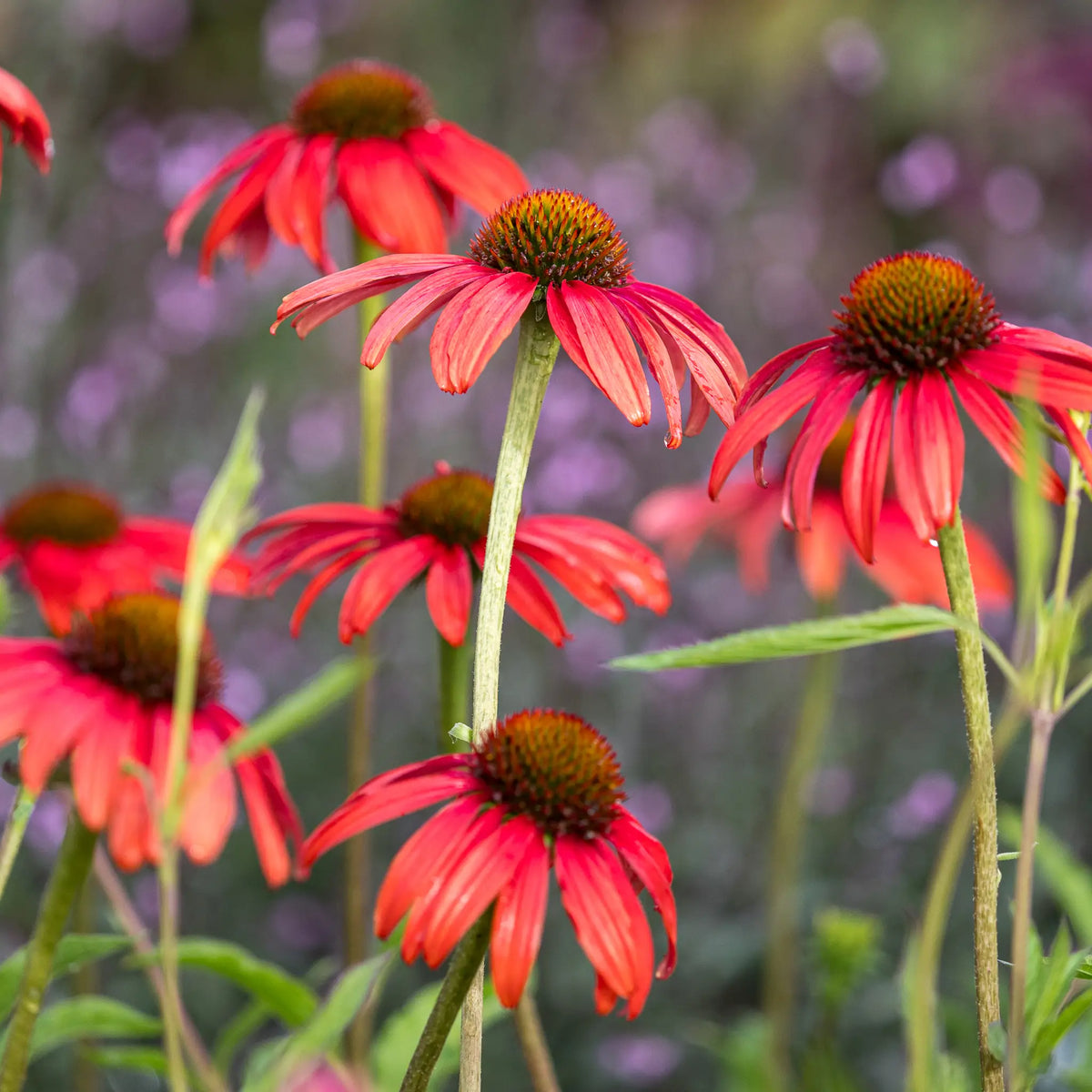
As its name suggests, Echinacea 'Tomato Soup' opens in a rich tomato-coloured red/orange set off by a distinctive rusty copper cone. It fades gradually to soft apricot.

Strong-growing with large, bold blooms, it puts on a striking display from midsummer into early autumn. Regular deadheading will prolong flowering, and the stems make excellent cut flowers. An obvious choice for hot-coloured planting schemes, or combine with other shades for eye-catching contrast. Thrives in humus-rich, well-drained soil in full sun; dislikes transplanting.

Height × Spread: 80cm × 50cm

☀️ Sunlight Full sun
📅 Season of Interest Summer, Autumn
🌸 Flower Colour Orange, Red
🌿 Foliage Colour Green
🪏 Preferred Soil Type Chalky, Loamy, Sandy
💧 Soil Moisture Content Moderate
View full details
  • Care Guide

    Plant in full sun in well-drained, reasonably fertile soil. Space generously — Echinacea dislikes overcrowding and resents competition from neighbours. Once established, it is drought-tolerant and largely trouble-free. Deadhead regularly throughout the growing season to encourage further flowers. Leave the final seed heads of the season standing through winter; they provide architectural interest and are a valuable food source for birds. Cut back to 5cm from ground level in late winter as new growth appears. Divide approximately every four years in autumn or spring, but leave undisturbed while the plant looks healthy and vigorous.

  • Good to Know

    Wildlife-friendly — the flowers are a rich nectar source for bees and butterflies, and the seed heads attract goldfinches and other seed-eating birds through autumn and winter.

    Long-lived and rewarding once established in the right conditions — good drainage and full sun are key.

    Some varieties are lightly scented — worth seeking out on a warm day.