Hardy's Cottage Garden Plants
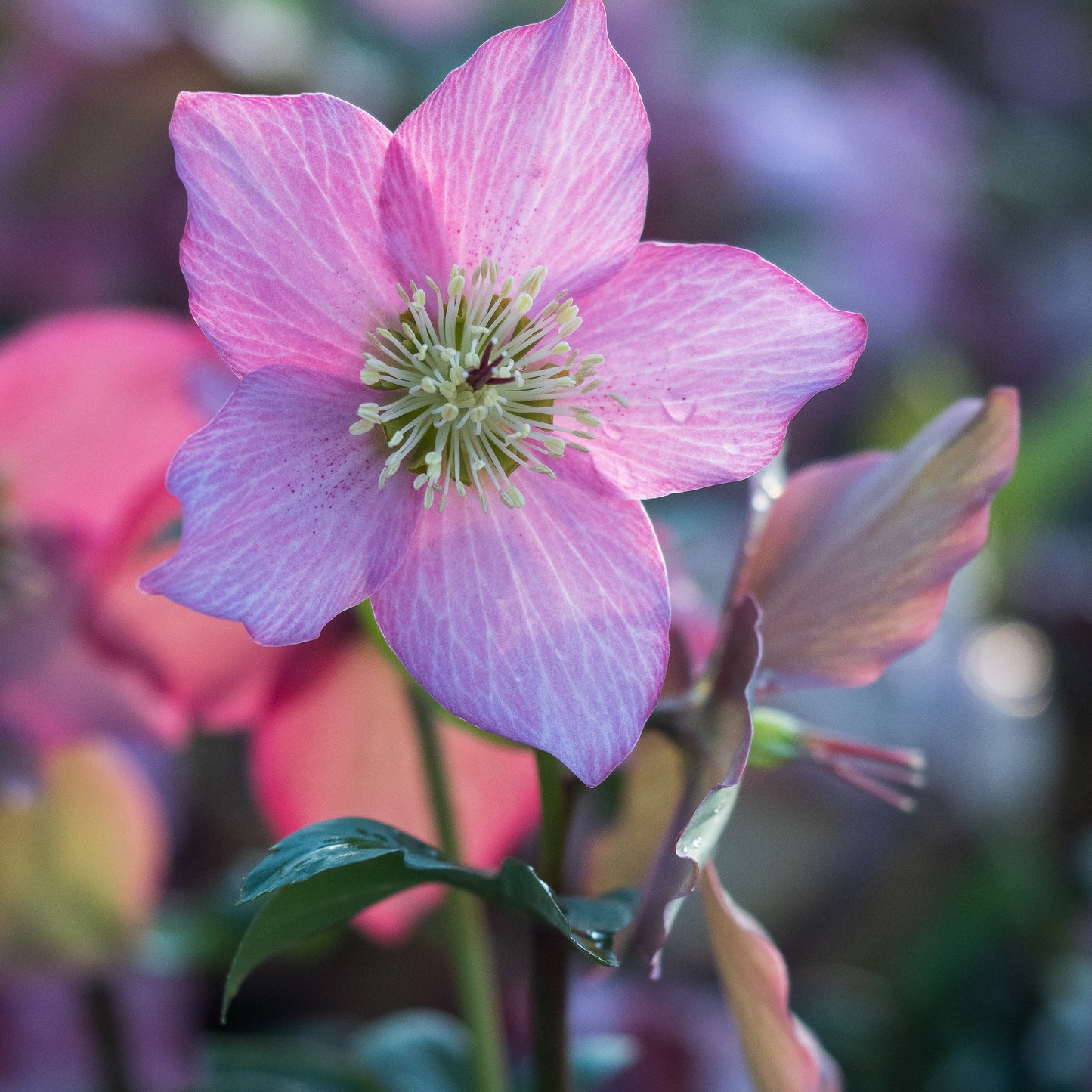
Helleborus Walberton's Rosemary ('Walhero' PBR)
Helleborus Walberton's Rosemary ('Walhero' PBR)
Back Soon
Couldn't load pickup availability
Plants are dispatched in growing condition and may not be in full flower. If too tall to pack safely, we may cut them back — this helps them establish more quickly. Read our Mail Order FAQs.


First sold in the UK in 2009, Helleborus Walberton's Rosemary has become a firm favourite. From December through the depths of winter and into spring, it produces masses of outward-facing, dusty pink blooms that stand above its dark, semi-evergreen foliage.
Bred by David Tristram of Walberton's Nurseries and named after his wife Rosemary, it is a cross of H. niger × H. hybridus and is sterile, so it will not seed around. Best grown in humus-rich soil in a sheltered location in sun to partial shade — the ideal choice for underplanting shrubs and trees, or for adding a much-needed burst of winter colour to borders. Remove old foliage in late autumn to reduce the risk of fungal disease and to show off the new flowers as they emerge.
Hellebores are generally not eaten by deer or rabbits. Easy to grow and hardy throughout the UK, they require little maintenance.
Height × Spread: 35cm × 60cm