Hardy's Cottage Garden Plants
Bistorta amplexicaulis Orange Field (‘Orangofield’ PBR)
Bistorta amplexicaulis Orange Field (‘Orangofield’ PBR)
Out of stock
Couldn't load pickup availability
Plants are dispatched in growing condition and may not be in full flower. If too tall to pack safely, we may cut them back — this helps them establish more quickly. Read our Mail Order FAQs.


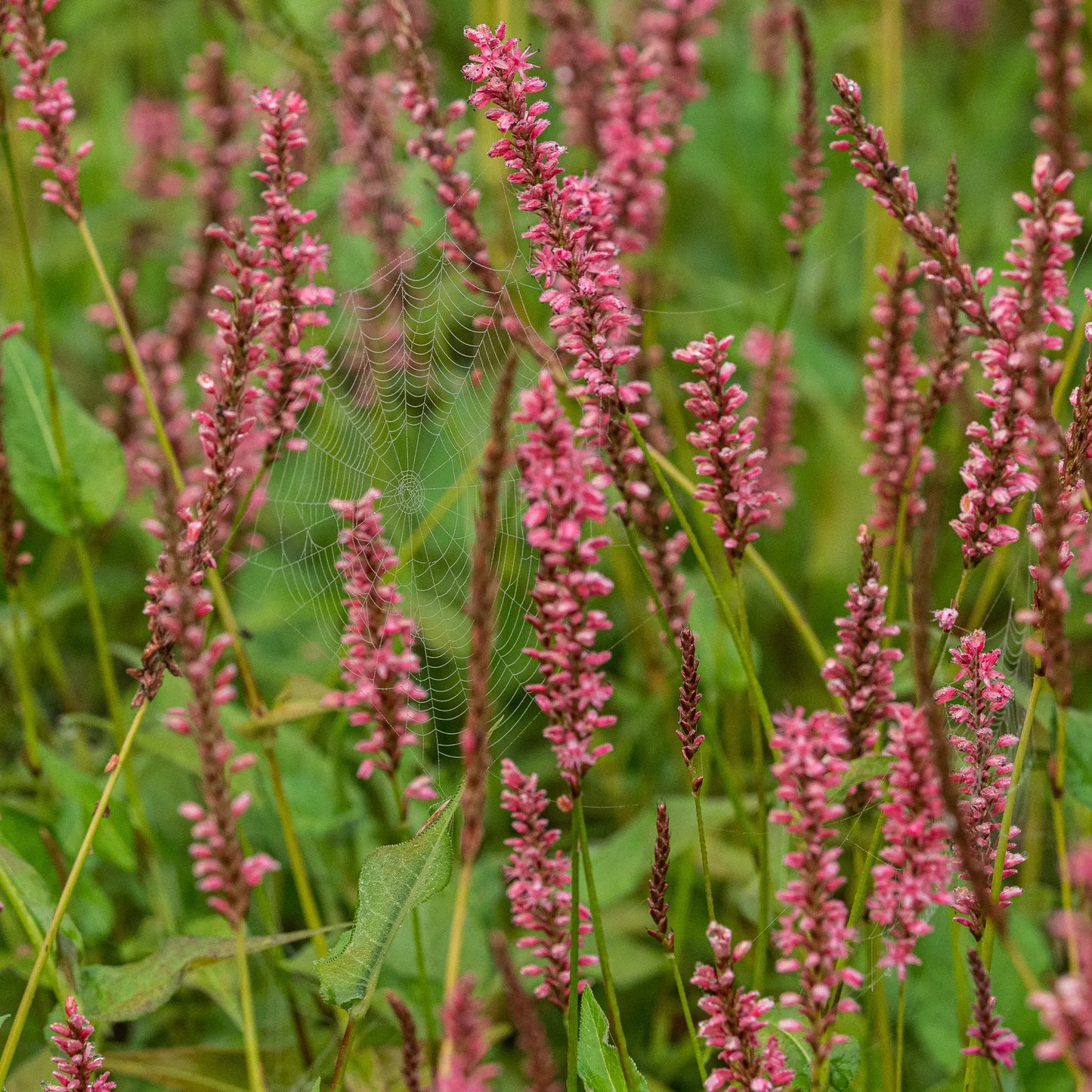
‘Orange Field’ is well named for its unusual flower hue. From late summer deep into autumn, tall slender spikes of salmon-pink to orange flowers dance in the breeze above slender, mid-green foliage — a long-lasting and free-flowering display that adds wonderful movement to a border or damp garden area.
Bred by Chris Ghyselen in Belgium, ‘Orange Field’ (‘Orangofield’ PBR) is unashamedly informal and naturalistic in habit — a stunning choice for a wildlife garden, where it will attract bees, butterflies and other pollinators in numbers. It thrives in moisture-retentive soil in full sun or partial shade, making it ideal for a bog garden, water meadow or the edge of a pond or stream. A reliable performer on heavy clay, it can even tolerate the soil partially drying out in summer. For a cool theme combine with whites and pale pinks; for something bolder, try purples and reds.
Synonym: Persicaria amplexicaulis ‘Orangofield’
Height × Spread: 125cm × 100cm