Skip to product information
1 of 2

Hardy's Cottage Garden Plants

Chrysanthemum 'Beechcroft'

Chrysanthemum 'Beechcroft'

Regular price £9.50 GBP
Regular price Sale price £9.50 GBP
Sale Temporarily unavailable
Taxes included. Shipping calculated at checkout.

Back soon

Size
Quantity

Plants are dispatched in growing condition and may not be in full flower. If too tall to pack safely, we may cut them back — this helps them establish more quickly. Read our Mail Order FAQs.

100% Peat Free Pollinator Friendly

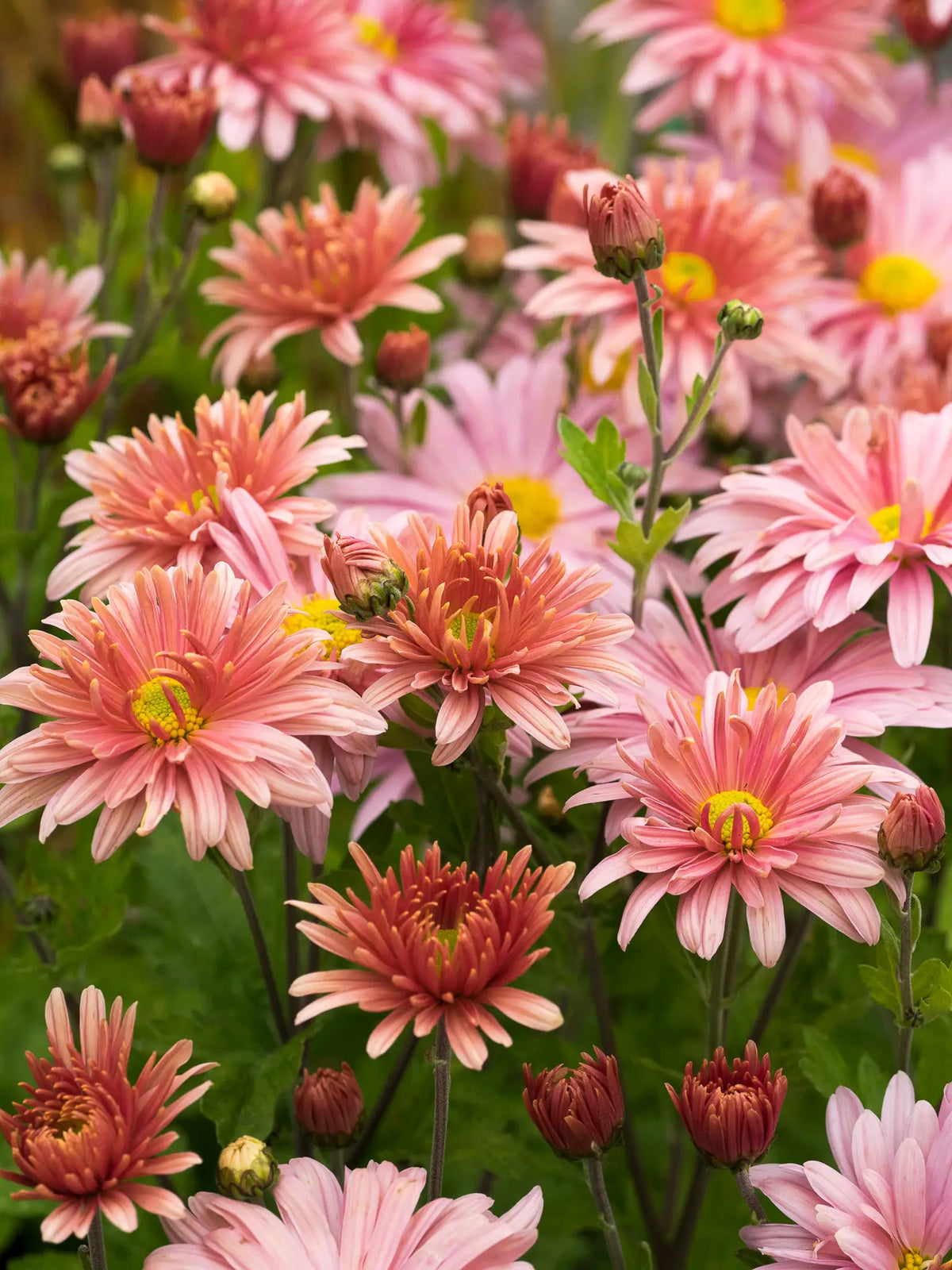
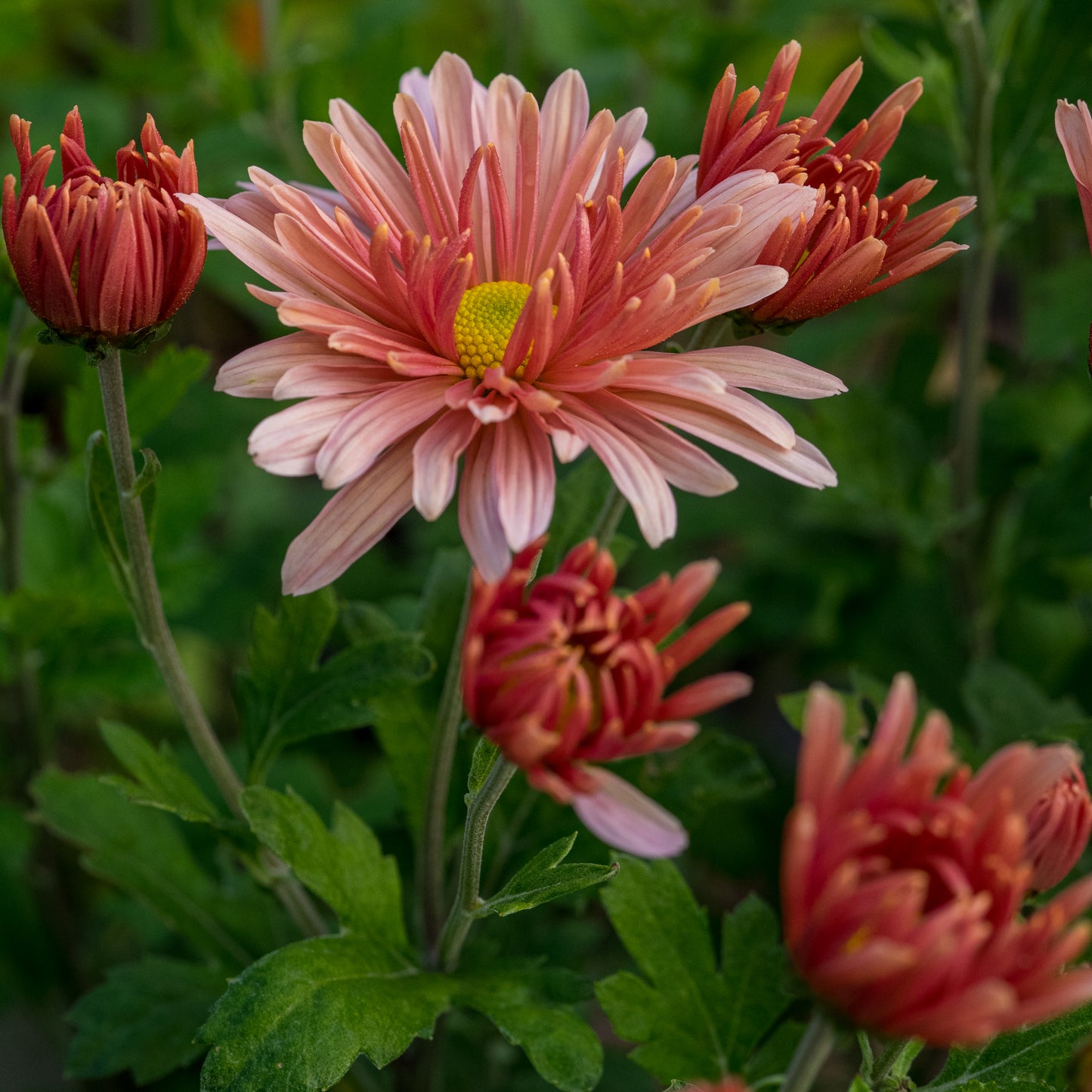
Chrysanthemum ‘Beechcroft’ opens from apricot-orange buds into large, pale pink daisy-like flowers, each with a fine orange ring around a warm yellow centre. Flowering from October into November, it carries its blooms on tall, upright stems above grey-green foliage.

An old variety renamed by Rosy Hardy, ‘Beechcroft’ brings a late flourish of colour to autumn borders. Its flowers are also excellent for cutting, bringing those soft, warm tones into the home.

Hardiness: H5 (−15°C to −10°C). Hardy through most UK winters, including severe cold. Choose a sheltered position in colder or exposed areas; plants in pots are more vulnerable to frost.

Height × Spread: 110cm × 60cm
☀️ Sunlight Full sun
📅 Season of Interest Autumn, Winter
🌸 Flower Colour Orange
🌿 Foliage Colour Dark green
🪏 Preferred Soil Type Loamy, Clay, Sandy
💧 Soil Moisture Content Moderate
View full details
  • Care Guide:

    Plant in moderately fertile soil with added organic matter; avoid waterlogging as poor drainage is not tolerated. Water during dry spells. Remove spent flowerheads as they go over to encourage further blooms. Cut back old stems in autumn to 10-20cm once flowering has finished. In colder areas, apply a light dry mulch — straw works well — around the base to protect the crown. Take basal cuttings in late spring to early summer to guard against winter losses. Divide large clumps in spring to maintain vigour.

  • Good to Know:

    Pollinator-friendly — the flowers attract bees and butterflies.

    Slugs may be a problem as new shoots emerge in spring — check regularly and act early.

    ⚠️ Humans: Skin allergen — wear gloves when handling.